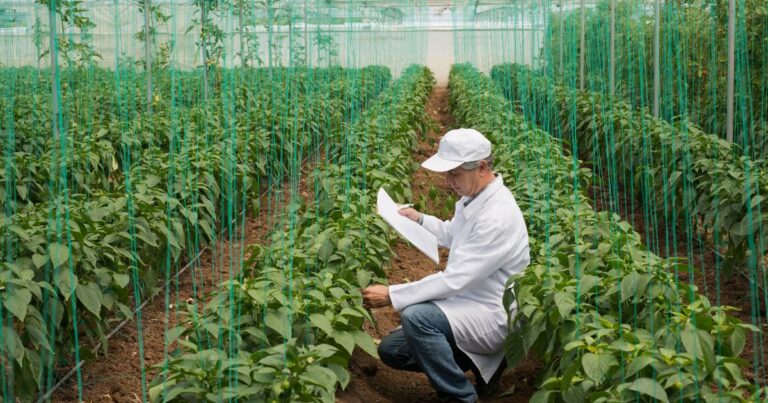
Agricultural Engineering
Apply knowledge of engineering technology and biological science to agricultural problems concerned with power and machinery, electrification, structures, soil and water conservation, and processing of agricultural products.

Apply knowledge of engineering technology and biological science to agricultural problems concerned with power and machinery, electrification, structures, soil and water conservation, and processing of agricultural products.
Diagnose, adjust, repair, or overhaul farm machinery and vehicles, such as tractors, harvesters, dairy equipment, and irrigation systems.

Study the chemical composition or physical principles of living cells and organisms, their electrical and mechanical energy, and related phenomena.

Assist biological and medical scientists. Set up, operate, and maintain laboratory instruments and equipment, monitor experiments, collect data and samples, make observations, and calculate and

Plan, direct, or coordinate the management or operation of farms, ranches, greenhouses, aquacultural operations, nurseries, timber tracts, or other agricultural establishments.
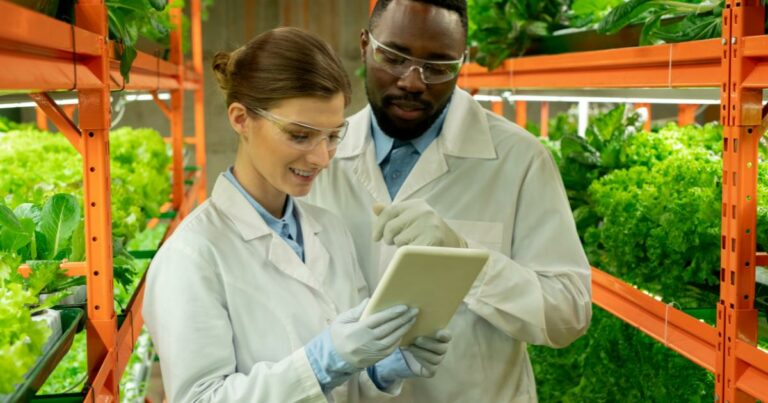
Apply theory and principles of environmental engineering to modify, test, and operate equipment and devices used in the prevention, control, and remediation of environmental problems.

Plan and direct disaster response or crisis management activities, provide disaster preparedness training and prepare emergency plans and procedures for natural (e.g., hurricanes, floods, earthquakes),
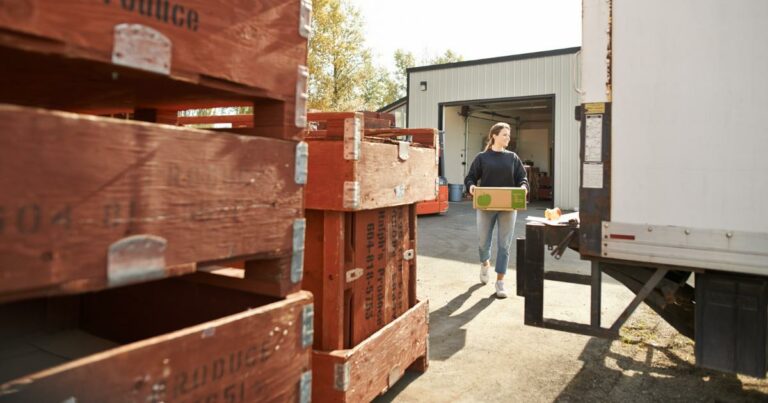
Is a career in the Agriculture and Natural Resources industry for you?

Use chemistry, microbiology, engineering, and other sciences to study the principles underlying the processing and deterioration of foods.