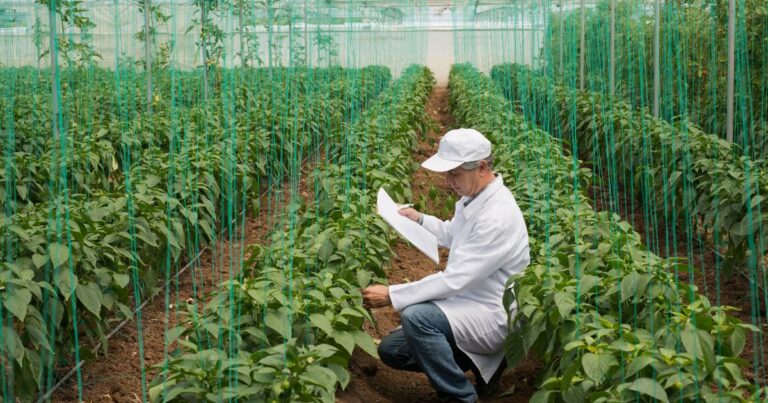
Agricultural Engineering
Apply knowledge of engineering technology and biological science to agricultural problems concerned with power and machinery, electrification, structures, soil and water conservation, and processing of agricultural products.

Apply knowledge of engineering technology and biological science to agricultural problems concerned with power and machinery, electrification, structures, soil and water conservation, and processing of agricultural products.
Diagnose, adjust, repair, or overhaul farm machinery and vehicles, such as tractors, harvesters, dairy equipment, and irrigation systems.

Study the chemical composition or physical principles of living cells and organisms, their electrical and mechanical energy, and related phenomena.

Assist biological and medical scientists. Set up, operate, and maintain laboratory instruments and equipment, monitor experiments, collect data and samples, make observations, and calculate and

Coordinate activities of staff, convention personnel, or clients to make arrangements for group meetings, events, or conventions. What they do: Coordinate activities of staff, convention

Plan, direct, or coordinate the management or operation of farms, ranches, greenhouses, aquacultural operations, nurseries, timber tracts, or other agricultural establishments.

Design, develop, test, and evaluate integrated systems for managing industrial production processes.
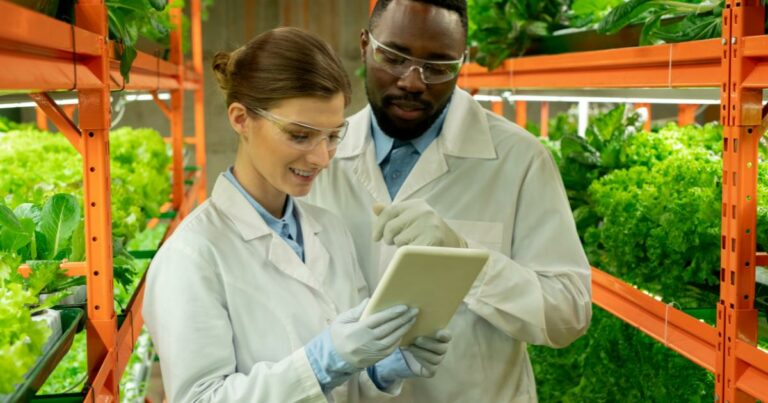
Apply theory and principles of environmental engineering to modify, test, and operate equipment and devices used in the prevention, control, and remediation of environmental problems.

Air Traffic Controllers control air traffic in and within the vicinity of the airport, and movement of air traffic between altitude sectors and control centers, according to established procedures and policies.